Search
Enter a search term.

Leonardo da Vinci — Mona Lisa
Leonardo da Vinci
Mona Lisa
Musée du Louvre, Paris
1503–1519
© 2018 GrandPalaisRmn (musée du Louvre) / Michel Urtado
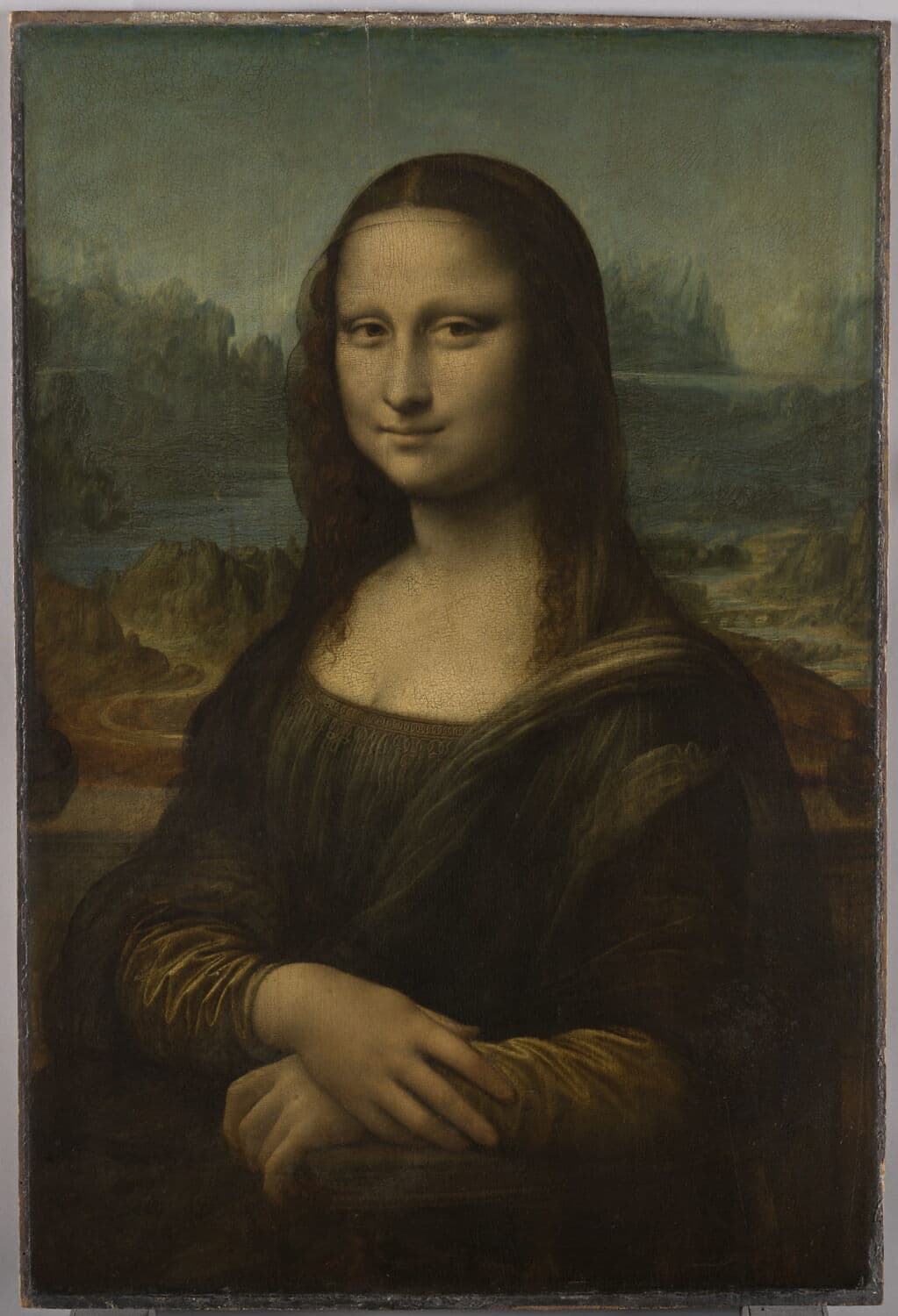
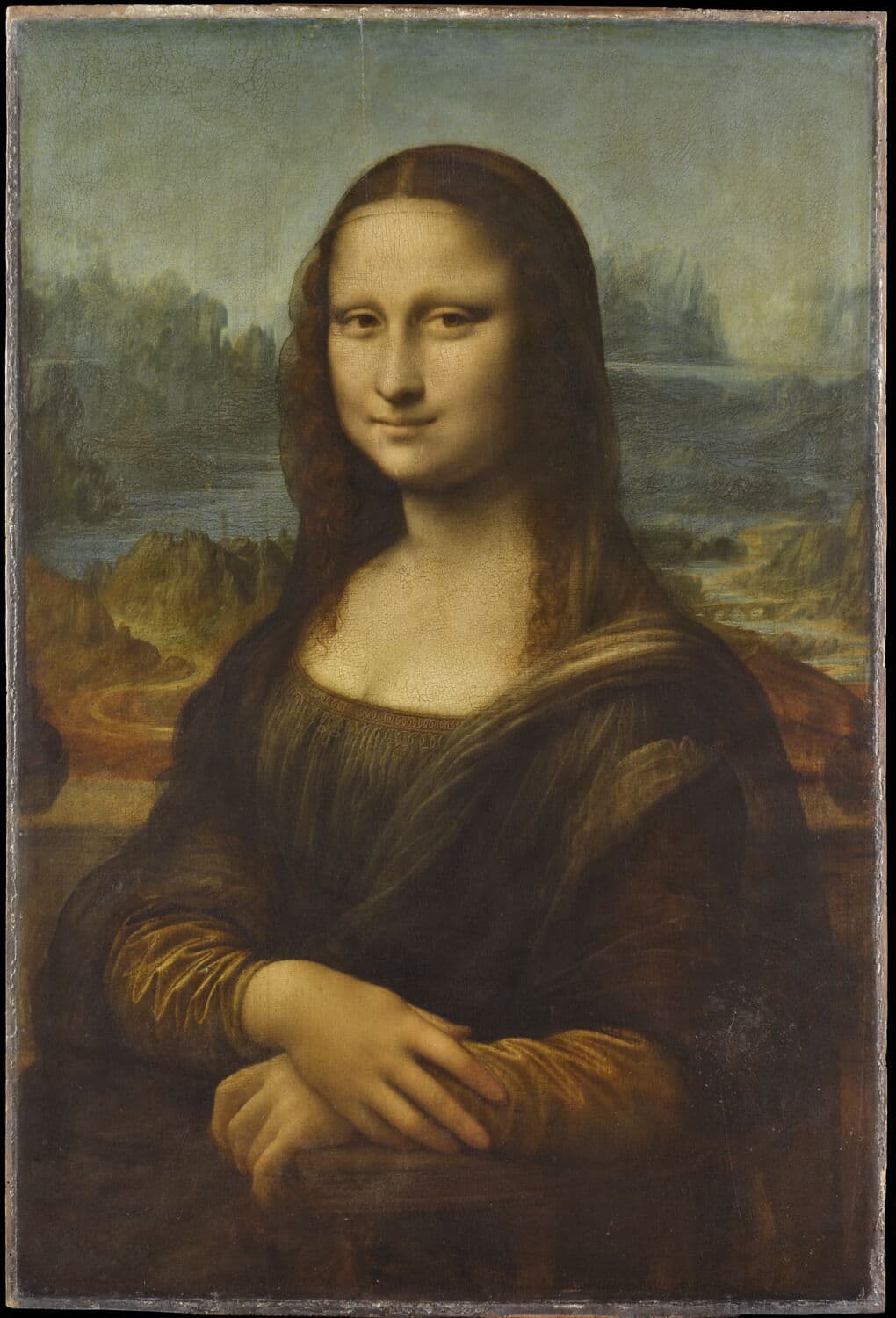
On the basis of current knowledge, we can affirm that the Mona Lisa depicts Lisa del Giocondo and may have been commissioned by her husband Francesco. As with his other paintings, Leonardo must have worked on it slowly, gradually creating a marvellous masterpiece that captivated his successive patrons: Louis XII (from 1507 to 1512), Giuliano de’ Medici (from 1513 to 1516) and, finally, Francis I, who succeeded in acquiring it.
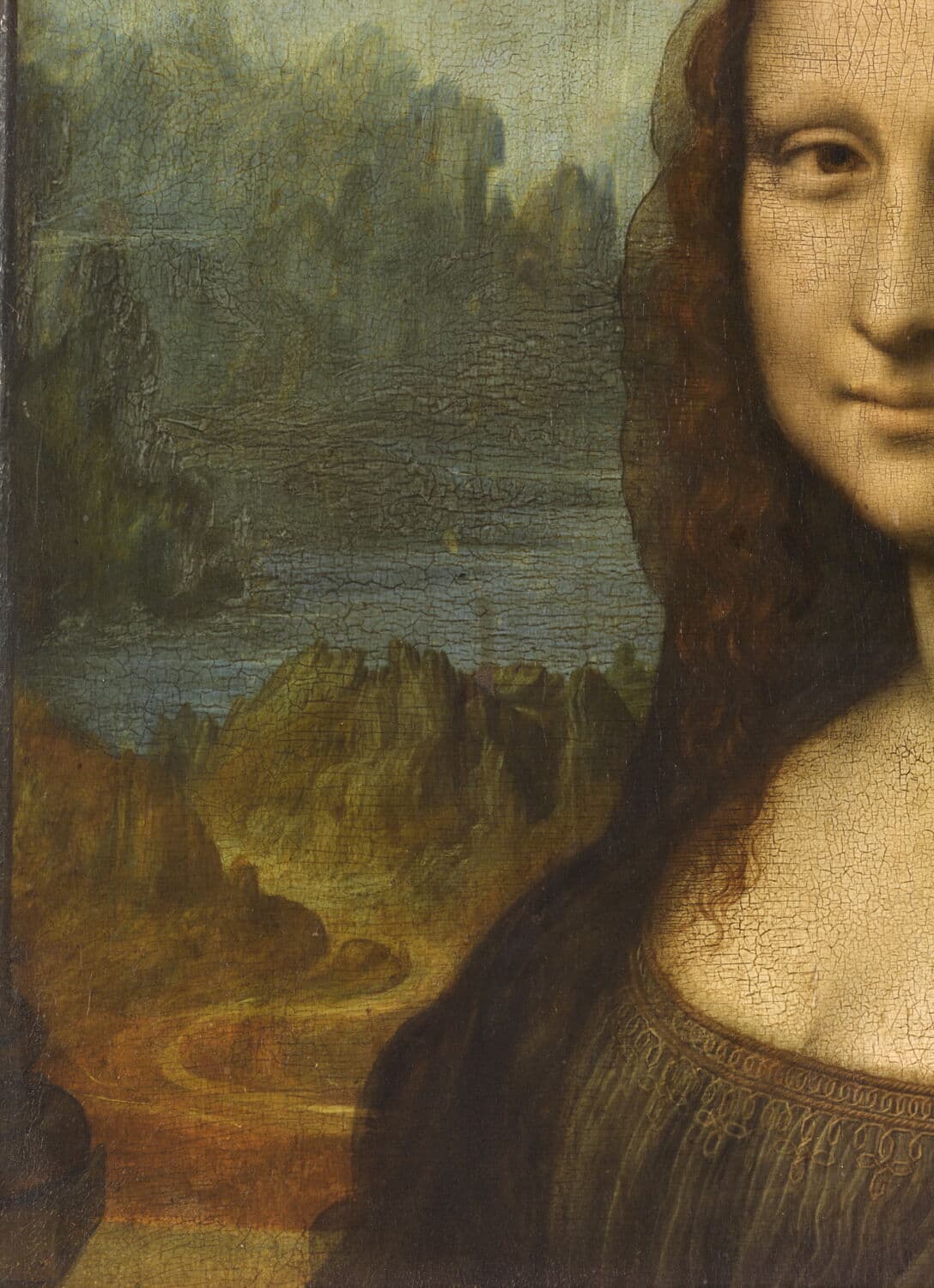
Leonardo probably chose this expression to give the face beauty and grace, but also to establish immediate and highly effective communication with the viewer. This welcoming smile invites the viewer into Mona Lisa’s thoughts. Yet Leonardo merely suggests her emotions without revealing their cause.
The face is built up through imperceptible transitions from shadow to light, achieved with thin layers of glaze (oil-rich layers containing very little pigment), which soften the contours, creating an effect of ‘sfumato’ (blurring).
Selected passages, translated from French. Original text: Vincent Delieuvin, July 2021, Musée du Louvre.
© 2018 GrandPalaisRmn (musée du Louvre) / Michel Urtado